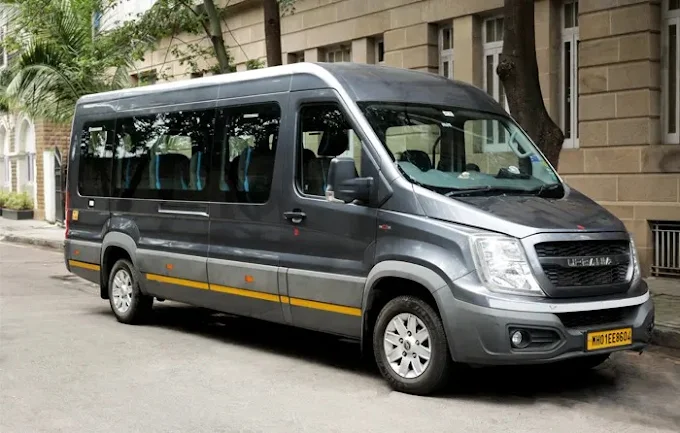
Planning a group trip can feel like solving a puzzle. You need enough space for everyone, luggage that seems to multiply overnight, and a budget that doesn’t make you wince.
The tempo traveller on rent per km rate becomes the number that keeps you up at night. Will it fit your budget? Are you being quoted fairly? These questions matter because nobody wants to overpay or get surprised by hidden charges halfway through a journey.
Group travel shouldn’t drain your wallet. But understanding how per km charges work can save you from that sinking feeling when the final bill arrives.
What Does Per Km Pricing Actually Mean?
The concept sounds simple. You pay for every kilometre the vehicle travels.
Start point to destination and back. Every turn, every detour, every extra stop adds to the metre reading.
Think of it like a taxi fare, just stretched over hundreds of kilometres instead of a few city blocks. The difference? You’re hiring the entire vehicle, driver included, for your group’s exclusive use.
Most rental providers calculate charges based on the odometer reading. They note the starting kilometre count and check it again when you return. The difference multiplied by the agreed rate gives you the distance cost.
Sounds straightforward, right? Well, it gets a bit more layered.
Why Per Km Rates Change Between Providers
You’ll notice quotes vary wildly. One provider offers one figure, another quotes something completely different for the same route.
This isn’t random.
Vehicle condition plays a role. A newer tempo traveller with better fuel efficiency typically costs more upfront but might save money over long distances. Older vehicles may have lower per km rates but guzzle more fuel, which affects your total spend.
Seating capacity matters too. A 12-seater won’t cost the same per kilometre as a 17-seater. More seats mean more weight, more fuel consumption, and higher operational costs that get passed to you.
Driver experience and service quality also factor in. Professional drivers with clean records and local route knowledge command better rates. You’re not just paying for the vehicle; you’re paying for peace of mind.
See also: How Home Temples Enhance Mental Peace, Positivity & Daily Life Rhythm
Hidden Factors That Affect Your Final Bill
Here’s where things get interesting. The per km rate rarely tells the complete story.
Minimum kilometre requirements catch many travellers off guard. Providers often set a daily minimum, say 250 or 300 kilometres. Even if you travel less, you still pay for the minimum distance. Short trips within the city? You might end up paying for kilometres you never actually covered.
Night charges apply if you’re travelling between late evening and early morning hours. Drivers work longer, face more fatigue, and take on additional risk. That gets reflected in supplementary charges beyond the base per km rate.
Hill station routes cost extra. Steep climbs strain the engine, burn more fuel, and put additional wear on brakes and tyres. Providers compensate for this increased vehicle maintenance cost through surcharges.
Waiting charges add up during sightseeing stops. If your group spends hours at each tourist spot, the driver’s time costs money even when the vehicle isn’t moving.
Comparing Per Km Rates With Package Deals
Some travellers swear by per km pricing. Others prefer fixed packages.
Per km works brilliantly for flexible itineraries. You’re not locked into a predetermined route or schedule. Want to take that unexpected detour to a roadside dhaba everyone’s raving about? Go ahead. Your final cost adjusts accordingly.
Package deals offer predictability. You know the total cost upfront, regardless of the actual distance covered. This suits structured trips with fixed routes and tight schedules.
The catch? Packages often include kilometre caps. Cross that limit and you’re back to paying per km charges anyway, usually at a premium rate.
For weekend getaways within a defined radius, packages often work out cheaper. For longer journeys with uncertain routes or multiple stops, per km pricing gives you control without feeling restricted by artificial boundaries.
Questions You Should Ask Before Booking
Don’t just accept the first quote you receive. Dig deeper.
Ask about the starting point for the kilometre calculation. Does the count begin from the rental agency’s garage or from your pickup location? This seemingly small detail can add tens of kilometres to your bill.
Clarify what’s included in the per km rate. Does it cover driver allowances, tolls, parking fees, and state taxes? Or are these billed separately?
Understand the fuel policy. Some providers include fuel in the per km rate. Others make you pay for diesel separately based on current market rates. This second approach can feel unpredictable, especially during price fluctuations.
Get clarity on breakdown procedures. If the vehicle breaks down mid-journey, do you pay for the replacement vehicle’s travel distance? Are those kilometres added to your bill?
Check cancellation and modification policies. Life happens. Plans change. Knowing your options prevents financial stress if you need to adjust dates or routes.
Reading Between The Lines Of Rental Agreements
Rental contracts contain fine print that many travellers skip. Don’t make that mistake.
Look for clauses about route restrictions. Some agreements prohibit travel to certain areas or require advance approval for specific destinations. Violating these terms can void your agreement and leave you stranded.
Check for damage liability clauses. Who pays if the vehicle gets damaged during your rental period? Standard wear and tear versus actual damage becomes a grey area without clear documentation.
Verify the refund policy for unused kilometres. If you booked based on an estimated distance but travelled significantly less, can you get money back? Most providers won’t budge, but some offer partial refunds or credit for future bookings.
Making Per Km Rates Work For Your Budget
Smart planning helps you avoid unnecessary charges.
Map your route in advance. Use reliable GPS tools to estimate the actual travel distance. Add a buffer for detours and unexpected route changes, but having a baseline helps you evaluate quotes accurately.
Group your destinations geographically. Zigzagging across regions racks up kilometres fast. Cluster nearby attractions together to reduce backtracking.
Negotiate based on season and booking time. Off-peak periods and advance bookings often fetch better rates. Providers prefer confirmed bookings over empty vehicles, giving you leverage to negotiate.
Consider sharing costs with another group if your timelines align. Splitting charges makes even premium per km rates affordable.
Track actual kilometres during your trip. Note the odometer reading at major stops. This prevents disputes during final billing and ensures you’re charged accurately.
Final Thoughts
Understanding tempo traveller per km charges isn’t about memorising numbers. It’s about knowing what drives those numbers and how to work them in your favour.
Ask questions. Read agreements carefully. Plan routes smartly. Track everything.
Group travel should create memories, not financial stress. The right pricing model, clearly understood and properly negotiated, ensures your trip stays within budget while delivering comfort and convenience.
Your journey matters more than the kilometre count. But understanding how that count translates to costs? That’s what turns a good trip into a great one without the bill shock at the end.