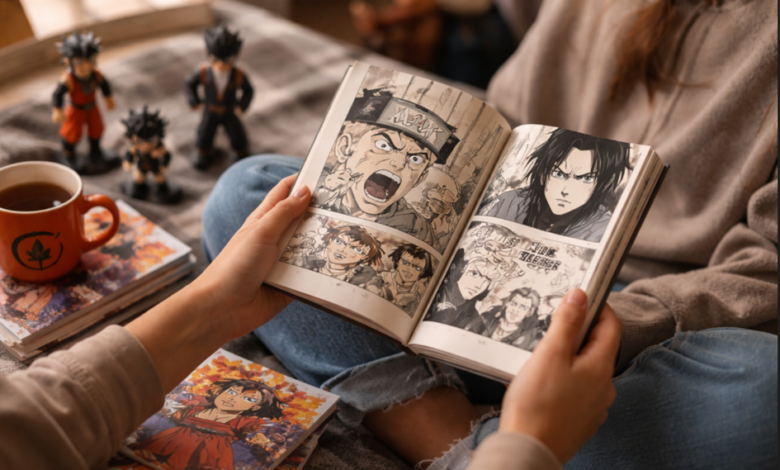
If there’s one ninja who’s carved his place into pop culture across continents, it’s Naruto Uzumaki. From the quiet pages of a manga to the glowing screens of anime lovers around the globe, Naruto’s journey has captivated hearts and minds like few others have. Whether you first stumbled upon his orange jumpsuit in a bookstore, binged the anime during a late-night session, or found yourself hooked by the emotional weight of his battles, there’s no denying it: Naruto has become a global symbol of resilience, growth, and human connection. What makes this fictional ninja’s story so universally loved? Why do new fans continue to flock to Konoha, even years after the original manga ended? Let’s dig deep and explore what fuels this international phenomenon and why Naruto still hits home across all cultures.
The emotional depth behind Naruto’s story
The story of Naruto is far more than just a tale of ninjas and epic battles. At its core lies a deeply human narrative that of a lonely child craving recognition, love, and a place in the world. Naruto Uzumaki, orphaned and shunned, could have grown bitter. Instead, he transformed his pain into unshakable determination. This underlying emotional thread speaks to audiences from Tokyo to Toronto. His perseverance in the face of rejection reflects something many of us can relate to. Whether you’ve felt isolated, underestimated, or like an outsider, Naruto gives a voice to those experiences.
That’s part of what makes him so endearing. He’s not the strongest, smartest, or most gifted at least not at first. But his commitment to getting better, to protecting those he loves, and to becoming Hokage no matter what stands in his way, resonates globally. It’s a universal underdog tale. This powerful emotional appeal makes viewers invest deeply in his journey. If you’ve ever watched the Pain arc or Naruto’s final fight with Sasuke, you know the impact of those scenes lingers long after the screen fades to black. For fans looking to bring a piece of that emotional journey home, these Naruto figures offer a tangible connection to a world that feels all too real.
See also: Improve Your Savings with Practical Home Finance Techniques
How Naruto blends action, philosophy, and identity
One reason Naruto stands out in the crowded world of shonen manga is its ability to merge thrilling action with meaningful themes. Beyond the jutsu and high-stakes battles, the manga consistently asks deep questions: What defines true strength? Can people change? What does it mean to protect something? From the Chunin Exams to the Fourth Great Ninja War, every fight carries a philosophical undertone. Characters don’t just throw punches they confront their traumas, values, and sense of identity. Naruto doesn’t just clash with enemies; he changes them.
Take his rivalry with Sasuke, for example. It’s not simply about who’s stronger. It’s about two opposite paths shaped by pain and loss one rooted in revenge, the other in connection. Their final confrontation isn’t about victory but about understanding. Even secondary characters like Rock Lee or Gaara carry fully fleshed-out arcs, showing how hard work can beat talent, and how forgiveness can break cycles of hatred.
This rich layering appeals to readers seeking more than just explosions and cool moves. It’s what turns casual watchers into lifelong fans, and what keeps communities buzzing with analysis, theories, and emotional discussion. And if you’re seeking more from the world of anime, anime figures across different series keep the passion alive on your shelf.
Naruto’s cultural and generational influence
Naruto has done something few series manage: it transcended its genre and became a part of mainstream global culture. In Canada, Naruto is more than a manga it’s a childhood memory, a cosplay character, a first tattoo, a connection between siblings, a TikTok trend. Its influence spans generations. Those who grew up watching Naruto on cable are now introducing it to their children via streaming platforms. Memes, edits, fan art, and even motivational quotes from the show appear everywhere online, from Reddit threads to university dorm rooms.
Naruto’s message of resilience, loyalty, and personal growth speaks universally. You don’t have to be a manga fan to understand what it feels like to chase a dream that no one else believes in. The ninja headband becomes more than cosplay it becomes a symbol of grit. The way Naruto brought traditional Japanese values like perseverance (ganbaru), respect, and duty into global conversations has helped bridge cultures in an authentic way. It opened the door for Western audiences to explore more anime, more manga, and eventually more aspects of Japanese culture.
What keeps fans loyal after all these years?
Unlike many series that fizzle out after a finale, Naruto has maintained a loyal fanbase. The reasons go beyond nostalgia. The world-building, the expansive lore, and the emotional payoffs keep viewers coming back even years later.
The legacy of beloved characters
From Itachi’s heartbreaking decisions to Shikamaru’s growth from slacker to strategist, the cast is unforgettable. Each character is flawed yet fully human. They evolve, struggle, love, and lose just like we do.
A continuation that matters
The Boruto series continues the legacy, introducing new conflicts while paying homage to the past. While opinions vary, Boruto has reignited interest in the original series and brought in new viewers eager to understand Naruto’s legacy. Here are some elements that contribute to fan loyalty:
- Emotional storytelling
- Complex and evolving characters
- Philosophical and moral dilemmas
- Unique and rich world-building
- Relatable life lessons
Even as anime trends change, Naruto remains a staple discussed in classrooms, quoted in therapy sessions, and remembered during life’s biggest challenges. When a manga becomes more than entertainment, it becomes a part of who you are.
The art of Naruto: design, music, and aesthetic appeal
Visual storytelling is another cornerstone of Naruto’s success. Masashi Kishimoto’s art evolved tremendously over the years, mirroring Naruto’s journey from chaos to control. The character designs are iconic from Kakashi’s lazy eye to Hinata’s soft presence, each figure leaves a lasting imprint. The anime adaptation took this further. Epic soundtracks, emotionally timed flashbacks, and unforgettable fight choreography (like Naruto vs. Pain or Kakashi vs. Obito) made every episode a sensory experience.
More than just eye candy, the visuals serve the story. Flashbacks are used with purpose. Symbolism is everywhere the falling leaf, the caged bird, the mask. These elements aren’t accidental; they deepen the themes without needing to explain them. Whether you’re reading the manga or watching the anime, Naruto draws you in with its atmosphere. It’s like stepping into a storm chaotic, emotional, beautiful and finding your way out, changed.
What does Naruto mean to you?
Naruto is more than a ninja. He’s an idea. A reminder that our past doesn’t define us, that friendships can change destinies, and that belief in ourselves no matter how naive is the strongest power of all. If you’ve made it this far, maybe you’re already carrying some of Naruto’s lessons with you. Whether you’re rewatching the series, showing it to a younger sibling, or picking up a figure for your shelf, one thing’s clear: Naruto isn’t going anywhere. So tell me what part of Naruto’s story stuck with you the most? What character’s journey felt like your own?