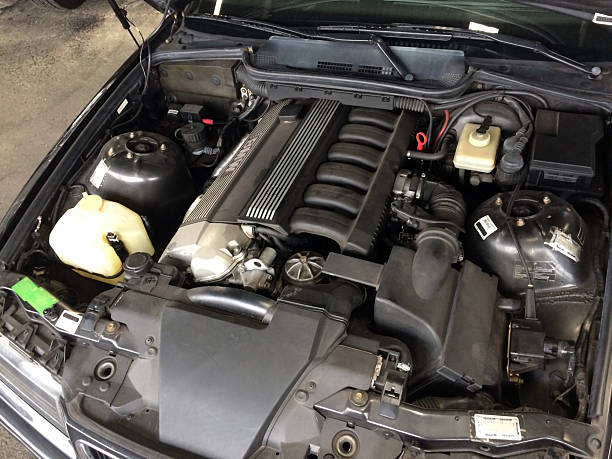
When it comes to your BMW’s comfort and performance, few systems are as essential—yet often overlooked—as the air conditioning system. The BMW air conditioner compressor plays a critical role in keeping your cabin cool and comfortable, especially under Australia’s harsh summer heat. But like any high-precision automotive component, it needs consistent care and attention to operate reliably.
Neglecting regular A/C servicing can lead to inefficient cooling, compressor wear, and ultimately, expensive repairs. This guide explores why routine air conditioning maintenance is crucial for your BMW and how it directly impacts the longevity of your compressor.
Understanding the Role of the BMW Air Conditioner Compressor
Your BMW AC compressor is the heart of the air conditioning system. It pressurises and circulates refrigerant gas, enabling it to absorb heat from the cabin and release it outside through the condenser.
This constant cycling of refrigerant is what makes cool, refreshing air flow through your car’s vents. Without a properly functioning compressor, your entire A/C system becomes ineffective.
However, because the compressor operates under high pressure and temperature, it’s one of the hardest-working components in the system. Over time, wear and tear, debris contamination, or insufficient lubrication can cause it to fail—often without much warning.
How Regular A/C Servicing Protects Your BMW Air Conditioner Compressor
1. Maintaining Proper Refrigerant Levels
Refrigerant is the lifeblood of your air conditioning system. It not only cools the air but also lubricates the moving parts inside the compressor.
When refrigerant levels drop—whether from small leaks or natural seepage—the compressor must work harder to maintain cooling performance. This extra strain increases internal friction and heat, leading to accelerated wear or even seizure.
A qualified A/C technician will:
- Check refrigerant pressure and recharge if necessary.
- Inspect for leaks at seals, hoses, or fittings.
- Ensure the correct refrigerant type is used (for BMWs, often R134a or R1234yf).
Maintaining the correct refrigerant balance ensures the compressor runs efficiently and stays lubricated.
2. Ensuring Proper Lubrication
The BMW air conditioner compressor relies on oil to reduce friction and heat between its internal parts. If the system loses refrigerant, it also loses this vital lubricant. Running the compressor “dry” can cause internal scoring, bearing damage, or even total failure.
During A/C servicing, technicians typically:
- Verify the correct oil type and quantity (PAG or POE oils depending on the refrigerant).
- Check for contamination from moisture or debris.
- Replace the receiver-drier or accumulator if necessary, to maintain oil purity.
Keeping your compressor well-lubricated can dramatically extend its service life—often by several years.
See also: business financial solutions offered
3. Cleaning the Condenser and Cooling System
The condenser dissipates heat from the refrigerant, allowing it to cool before re-entering the cabin. If the condenser fins are clogged with dust, bugs, or road grime—a common issue in Australia’s dry, dusty environment—the refrigerant cannot cool efficiently.
This raises system pressure, forcing the compressor to work harder and run hotter. Over time, that added thermal stress shortens the compressor’s lifespan.
Regularly washing your condenser with low-pressure water and having your mechanic clean it during A/C service helps maintain optimal airflow and cooling efficiency. This simple step can make a big difference in how long your BMW A/C compressor lasts.
4. Checking the Drive Belt and Clutch Assembly
Your BMW’s compressor is powered by a drive belt connected to the engine. If the belt becomes cracked, loose, or misaligned, it can cause slippage or vibration that puts additional strain on the compressor bearings and clutch.
Similarly, the compressor clutch—which engages and disengages to regulate cooling cycles—can wear out over time. If it begins to slip, chatter, or fail to engage, it can quickly escalate into a compressor failure.
During scheduled A/C inspections, technicians check:
- Belt tension and alignment.
- Clutch engagement and electrical connections.
- Pulley bearings for unusual noises.
Replacing a worn belt or clutch early is far cheaper than replacing the entire compressor.
5. Detecting Early Signs of Trouble
Routine A/C servicing also helps identify warning signs before they become costly repairs. Some early symptoms that your BMW air conditioner compressor may be struggling include:
- Weak or inconsistent cooling performance.
- Clicking or grinding noises when A/C is on.
- A burning smell from the engine bay.
- Moisture or refrigerant leaks near the compressor.
- The A/C clutch not engaging properly.
Catching these problems early can prevent a total compressor failure, saving you hundreds—or even thousands—of dollars in parts and labour.
Why This Matters Even More in Australia
Australia’s climate is notoriously tough on car air conditioning systems. High ambient temperatures, humidity, and long drives mean your BMW AC compressor works harder and longer than in cooler regions.
Without consistent maintenance, compressors are more likely to:
- Overheat due to high system pressures.
- Lose lubrication through refrigerant loss.
- Suffer from internal wear due to extended running cycles.
In addition, dust, sand, and road debris can block condensers or damage seals, accelerating wear. This makes preventive A/C maintenance essential for Australian BMW owners who rely on consistent cooling performance year-round.
Recommended BMW A/C Service Intervals
While intervals may vary by model and climate, a good rule of thumb is to service your air conditioning system every 12 to 24 months, or at least once a year if you live in a hot area.
Each service should include:
- Refrigerant and oil level check.
- Condenser and filter cleaning.
- Compressor clutch inspection.
- Leak and pressure testing.
- Cabin air filter replacement.
Following this schedule keeps your compressor operating at peak efficiency and ensures your A/C system is always ready for summer.
The Cost of Neglect: What Happens If You Skip Maintenance
Ignoring routine A/C servicing might save you money in the short term, but it often leads to much higher repair bills later. A neglected system can cause:
- Compressor burnout, requiring full replacement.
- Contaminated refrigerant lines, needing a complete flush.
- Expansion valve or evaporator damage, reducing cooling efficiency.
- Electrical failures due to clutch or sensor overload.
In many cases, a simple $200–$300 service could prevent a $1,500–$2,000 compressor replacement.
Conclusion: Keep Your BMW Cool and Efficient
Your BMW air conditioner compressor is a precision component designed to deliver smooth, reliable cooling. But it can only do its job if it’s properly maintained.
By staying proactive with regular A/C servicing—checking refrigerant levels, maintaining lubrication, cleaning the condenser, and inspecting belts—you’ll not only extend the lifespan of your compressor but also preserve your BMW’s overall comfort and performance.
In Australia’s demanding driving conditions, that extra care isn’t just recommended—it’s essential.